Virology World Conference
Coronavirus Disease (COVID-19)
Coronavirus disease (COVID-19) is a newly found coronavirus that causes an infectious disease. Coronaviruses are a type of virus that can infect humans and cause respiratory disease. The multiple crown-like spikes on the surface of the virus give it the name "corona." Coronaviruses that cause sickness in humans include SARS, Middle East respiratory syndrome (MERS), and the common cold. The majority of patients infected with the COVID-19 virus will have mild to moderate respiratory symptoms and will recover without needing any specific therapy. People over the age of 65, as well as those with underlying medical conditions such as cardiovascular disease, diabetes, chronic respiratory disease, and cancer, are at a higher risk of developing serious illness. Being thoroughly informed on the COVID-19 virus, the disease it causes, and how it transmits is the greatest strategy to avoid and slow down transmission.
- Research on COVID-19
- Clinical Trials
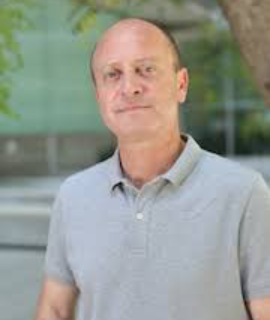
Oscar Fornas
Pompeu Fabra University and Centre for Genomic Regulation in Barcelona, Spain
Saurabh Chattopadhyay
The University of Toledo, United States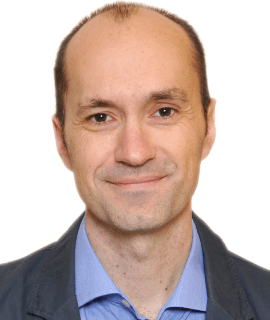
Theodoros Androutsakos
National and Kapodistrian University of Athens, Greece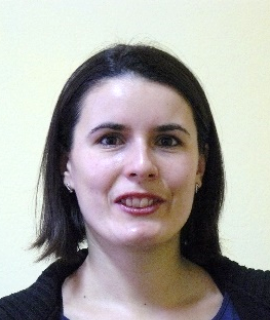
Lucija Nuskern
University of Zagreb, Croatia (Hrvatska)
Pallavi Rai
VA-MD Regional College of Veterinary Medicine, United States
Athanasios-Dimitrios Bakasis
National and Kapodistrian University of Athens, Greece
Ioanna E. Stergiou
National and Kapodistrian University of Athens, Greece

Title : Detection and genetic characterization of emerging viruses in symptomatic children with enteritis
Amoroso Maria Grazia , Zooprofilactic and Experimental Institute of Southern Italy, Italy
Title : Regulation of IRF3 functions to control viral infections
Saurabh Chattopadhyay, The University of Toledo, United States
Title : Post-vaccination antibody responses against SARS-CoV-2 in patients with liver cirrhosis. What do we know so far?
Theodoros Androutsakos, National and Kapodistrian University of Athens, Greece
Title : Single-virus sorting by Flow Cytometry: a methodology to elucidate the virosphere
Oscar Fornas, Pompeu Fabra University and Centre for Genomic Regulation in Barcelona, Spain
Title : Evolutionary trajectory and origin of SARS-CoV-2
Anyou Wang, University of Memphis, United States
Title : Post- vaccination humoral immune responses against SARS-CoV-2 in patients with haematologic malignancies
Ioanna E. Stergiou, National and Kapodistrian University of Athens, Greece