Virology World Conference
Prions
Prions
"The name 'prion' was coined to describe an unknown infectious agent that causes a variety of neurological illnesses in mammals. The term comes from the phrase "proteinaceous infectious particle," which alludes to the once-controversial idea that the infectious agent causing those diseases is made entirely of protein and lacks a nucleic acid genome. A prion is a protein that causes normal proteins in the brain to fold improperly. Prion illnesses can affect both humans and animals, and diseased meat products can sometimes spread the sickness to humans. Creutzfeldt-Jakob disease is the most frequent kind of prion disease that affects humans.
- Amyloid
- Bovine Spongiform Encephalopathy
- Creutzfeldt–Jakob Disease
- Neurodegeneration
- Prion
- Prion Protein
- Protein Conformation
- Scrapie
Committee Members
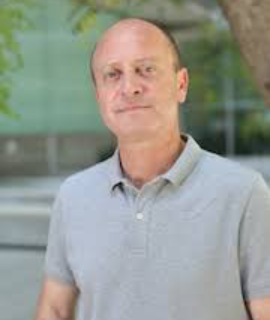
Oscar Fornas
Pompeu Fabra University and Centre for Genomic Regulation in Barcelona, Spain
Saurabh Chattopadhyay
The University of Toledo, United States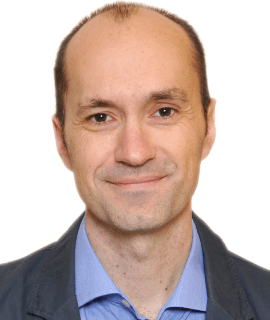
Theodoros Androutsakos
National and Kapodistrian University of Athens, Greece Virology 2022 Speakers
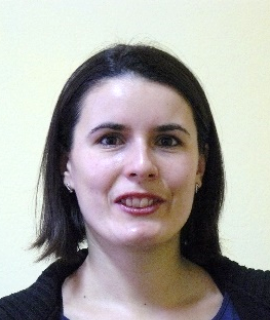
Lucija Nuskern
University of Zagreb, Croatia (Hrvatska)
Pallavi Rai
VA-MD Regional College of Veterinary Medicine, United States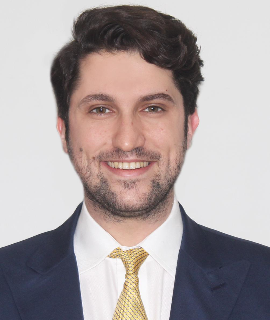
Athanasios-Dimitrios Bakasis
National and Kapodistrian University of Athens, Greece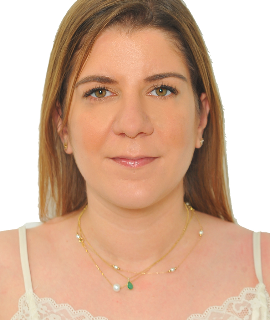
Ioanna E. Stergiou
National and Kapodistrian University of Athens, Greece

Title : Detection and genetic characterization of emerging viruses in symptomatic children with enteritis
Amoroso Maria Grazia , Zooprofilactic and Experimental Institute of Southern Italy, Italy
Title : Regulation of IRF3 functions to control viral infections
Saurabh Chattopadhyay, The University of Toledo, United States
Title : Post-vaccination antibody responses against SARS-CoV-2 in patients with liver cirrhosis. What do we know so far?
Theodoros Androutsakos, National and Kapodistrian University of Athens, Greece
Title : Single-virus sorting by Flow Cytometry: a methodology to elucidate the virosphere
Oscar Fornas, Pompeu Fabra University and Centre for Genomic Regulation in Barcelona, Spain
Title : Evolutionary trajectory and origin of SARS-CoV-2
Anyou Wang, University of Memphis, United States
Title : Post- vaccination humoral immune responses against SARS-CoV-2 in patients with haematologic malignancies
Ioanna E. Stergiou, National and Kapodistrian University of Athens, Greece